
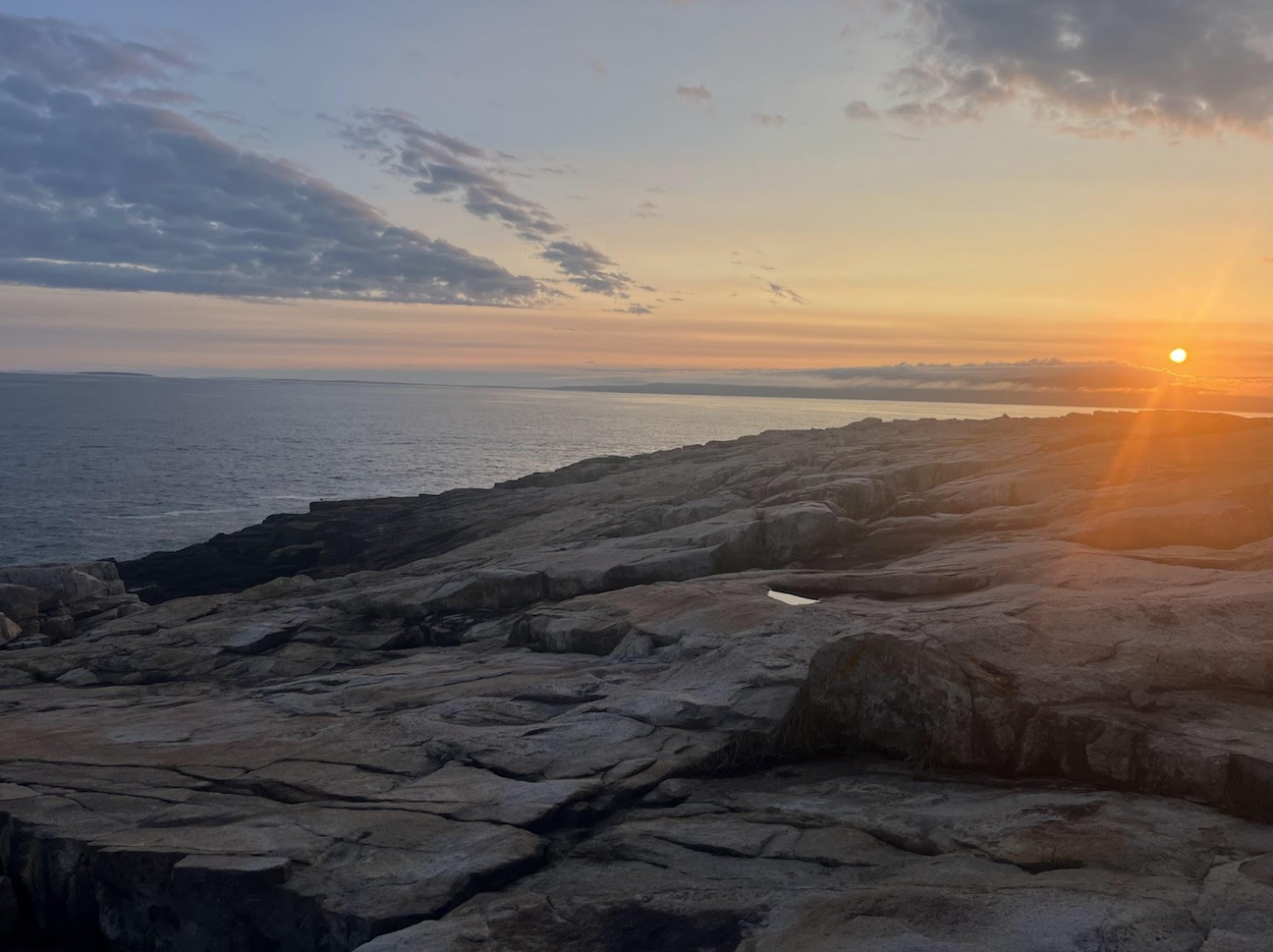
Niweskok: From the Stars to Seeds is a nonprofit whose mission is to rematriate Wabanaki lifeways through engaging with our kinship responsibilities and reclaiming traditional foods & healing. We prioritize restoring the Penobscot Bay region as a Wabanaki foodhub. In Penobscot, Niweskok translates to “dried seeds for planting”, also “essence of life,” and “spirit”. We are responsible to our communities of the Wabanaki Confederacy (Penobscot, Wolastoqiyik, Mi’kmaq, Passamaquoddy, and Abenaki of Odinak and Wolinak), and all our relations. Our programming took place on borrowed, leased, and public trust lands until December 2024, when securing our own land base changed everything.
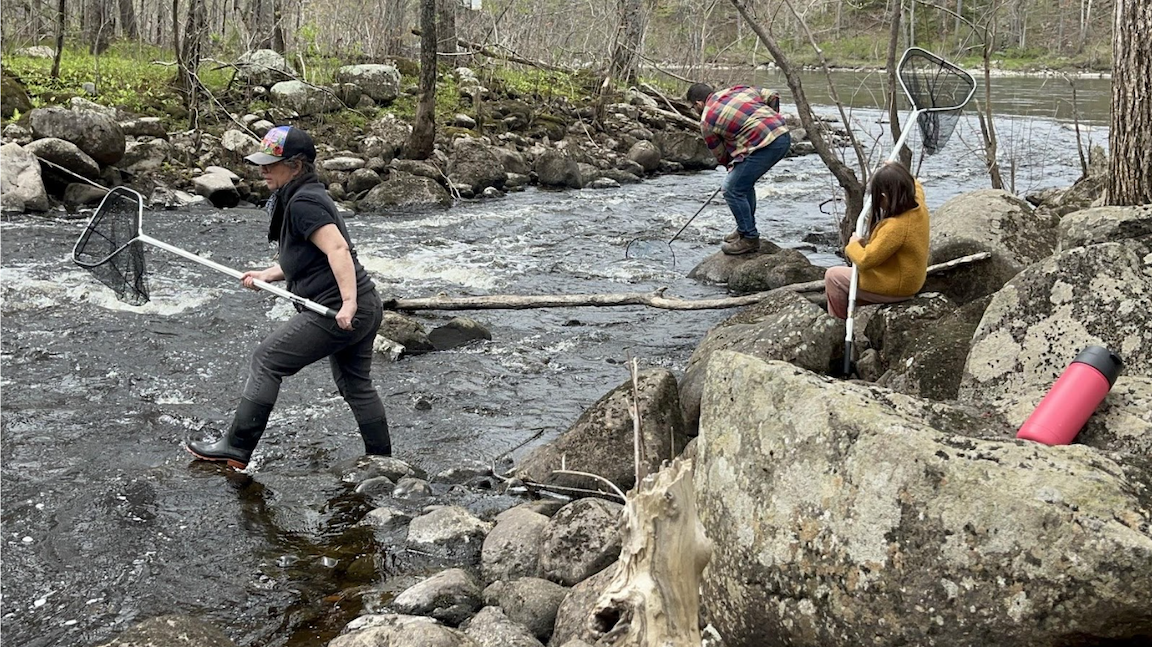
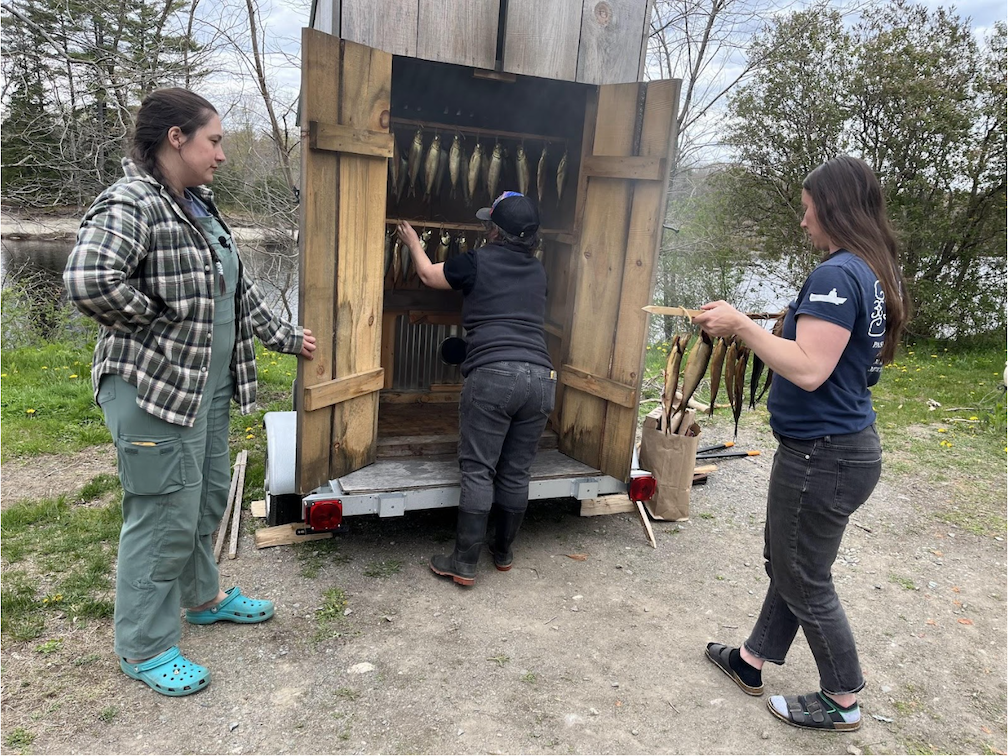
Tami’s Big Dream: How it started
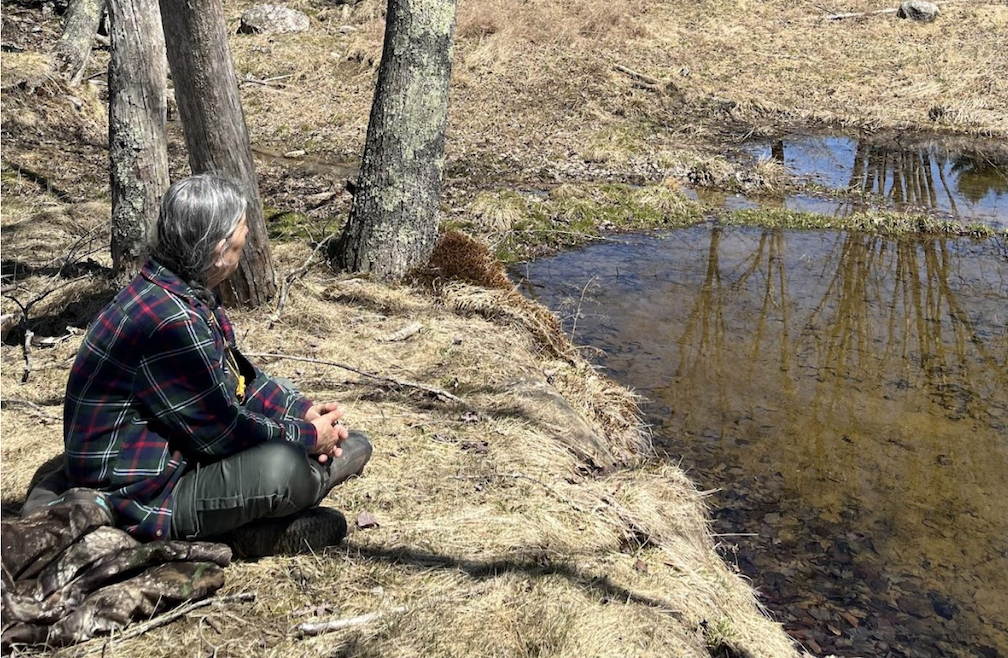
Allowing ourselves time for rest and dreaming those big dreams can build worlds. In spring 2023, we hosted a community respite gathering, where Penobscot elder and now Niweskok co‑director Tami Connolly answered the question, “If you dream big, what would you want?” I can see her now sitting on the steps after a day of working on the land. She answered unequivocally, “Our own farm!” That moment launched an almost two-year process of finding and acquiring Niweskok’s farm. Within days of Tami’s answer, we reached out to community members and land‑trust contacts. This led us to consider and write down clear expectations for a landbase (acreage, county, proximity to tribal communities, water access, tillable and wooded land, infrastructure, no PFAS or power‑line conflicts, etc.), and insisting on an important non‑negotiable: an unencumbered title with no conservation easement. We knew easements could lock land into colonial restrictions. A clear title would preserve our right to determine how we moved on the land according to cultural needs and the land as our relative and first teacher. Niweskok’s purpose and vision center this reciprocity.
Founding Niweskok and Building the Land Acquisition Team
While beginning these initial outreach efforts to build our knowledge around land acquisition, we also moved from being a fiscally sponsored collective and coalesced our localized work under a new name, Niweskok, and applied for our 501c3 with the goal of creating a non-profit that could legally hold the possibility of land rematriation. During this time, we also formed the Niweskok farm acquisition team, inviting in three regional white-led land trusts, a national strategic consultant and lender, and allied community members. The full acquisition team met weekly (with Niweskok meeting another time each week on the acquisition) for over a year to coordinate mapping, legal due diligence, fundraising strategy, and closing logistics. We began each meeting with personal check-in’s and always grounded the acquisition team back to the land.
When things felt bumpy along the way with our new organizing partners, Niweskok addressed the problems with them head-on. We urged the land trusts to be more transparent with us and each other about their internal process and how it was informing and affecting our acquisition team’s goals. We spent time talking to their boards who had biased fears of Wabanaki taking hold of the land without easement and unapologetically told them that when Indigenous people hold the land in our respective territories, it is the best possible solution for the land and all people. We set the expectation throughout the process that Niweskok’s farm rematriation should not be a one-and-done, but a way forward for their organizations to continue landback to Wabanaki individuals, families, organizations, and Nations. We pushed these conservation partners to work to dismantle racist and culturally prohibitive easement policies and institutional ideologies affecting Indigenous Peoples’ abilities to live and move freely on returned land with these easements.
Fundraising Pivot
As we searched for property, Niweskok completed critical back-end work. This included meeting with other Indigenous, Immigrant, and Black-led farm and co-living initiatives, identifying community funding partners and lenders, applying for and receiving our non-profit status, working with a pro-bono real estate attorney, and many other preparatory checklist items. And finally, in May of 2024, the acquisition team found a listed property that met almost all of our dream wish-list items! It was a critical moment and time to begin mobilizing a capital campaign. Suddenly, the commitments the land trusts on our acquisition team had made around funding and fundraising unraveled.
We were already working across cultural differences, colonized models of land tenure, confronting communication barriers, and now faced this. Time was urgent: another offer could be made on the farm at any time, and Niweskok Co‑Directors knew we had to pivot. We stepped into new roles as fundraisers, something none of us had previously done at this scale. With guidance from a DIY fundraising consulting organization, we took the lead on fundraising. We built a campaign infrastructure rooted in our story, our responsibility to the land and Wabanaki community, and instead of dissolving our work with the acquisition team, it compelled us to take the lead and further develop clear expectations, make specific asks, and prioritize communication and accountability. After a few short weeks of honing our knowledge around fundraising, we made our first ask of a donor and were given our first YES! And in just over 4 months from that first ask, Niweskok’s capital campaign raised just under $2 million, allowing us to acquire, in full, the 245‑acre Penobscot territory coastal farm in December 2024 with clear, unencumbered title.
Ceremony, Return, and Kinship Responsibility
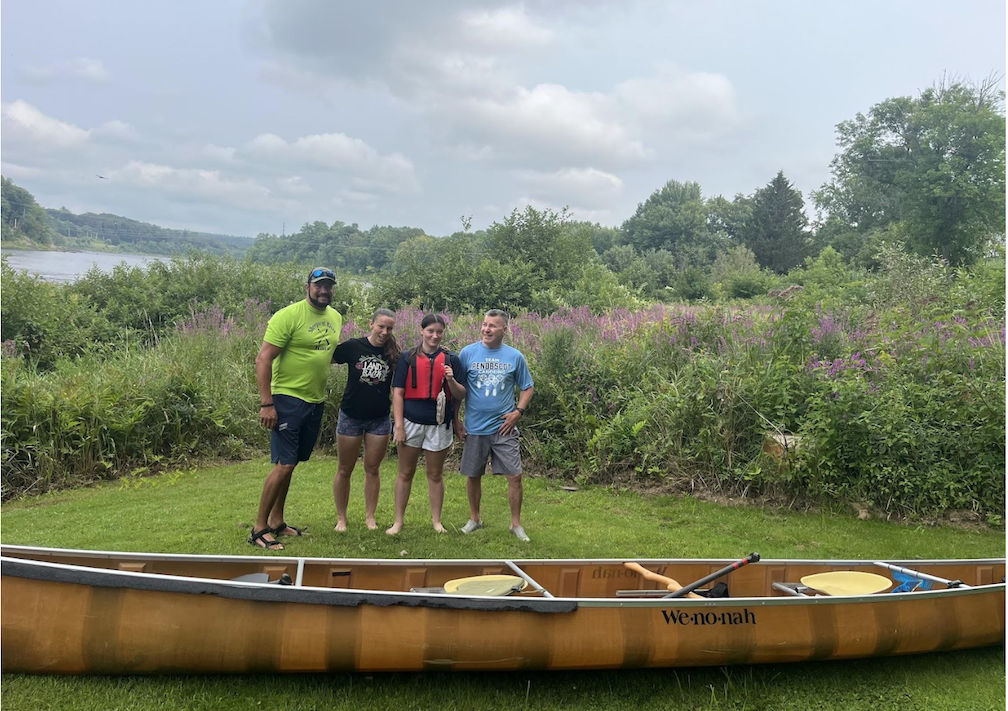
Ceremony and building a relationship with the land in the midcoast region guided and shaped our actions, grounding us in our kinship responsibilities. In August 2024, in the midst of Niweskok’s farm rematriation and capital campaign, we embarked on a ceremonial canoe journey from Alnabe Menahan/Indian Island down the Bunawupskeag/Penobscot River to the Bay and the final landing at Sears Island (Mαli‑pakαnsisíhkok), which is less than ten miles from the land we are now on, Niweskok’s farm. The 1758 construction of Fort Pownal, now Fort Point, made it unsafe for Penobscot people to paddle downriver to coastal villages for generations. That history severed coastal access and kinship ties with other tribes. As Alivia Moore, Penobscot and Co‑Director of Niweskok, wrote, “As we paddled the four segments of this ancestral canoe route, we experienced an embodied remembering that we, as the people of the River, are ocean people too.” When Penobscot elder Eugene “Chip” Loring first saw the canoe from the rocky point off Fort Point beach as it approached Sears Island, he said, ‘this return [to Mαli‑pakαnsisíhkok] is healing for people, land, and waters alike’.” Niweskok’s coastal landbase is truly a welcoming home for Penobscot back to the Penobscot Bay region and underscores Wabanaki responsibility not only to the land here at the farm, but as a hub of ecological restoration for the surrounding area (Quoted excerpts from “Returning & Remembering Home”, Alivia Moore).
On the land now — progress and next steps
We are now almost 1.5 years into co-living on the farm. We are listening and watching as these 245 acres rest and heal from hundreds of years of extractive practices. Even on a foggy day, you can see the Goose River and Smith Pond from the front door of the farmhouse, where we have river and pond frontage. Not only does it give us river access, but it also contains wetland habitat and completes a wildlife corridor that could have otherwise been disrupted by increased development. The Wabanaki Youth in Sciences Trail Crew came out and stayed a while in the farmhouse that now serves as our community center, built a beautiful trail to access Smith Pond, and helped construct our high tunnel in our first agricultural field. Sikʷani Dana (co-director and curriculum lead) runs Niweskok’s multi‑day Penobscot language immersion gatherings, which the community voiced they wanted to see happen. Alihpəwάkanal programming is in its second year of hosting the Soil Builders cohort; the Ecological Restoration Program projects are underway with a welcome garden in its first phases, food and medicine forest restoration, and waterway restoration to restore biodiversity along the Goose River and address dam removal.
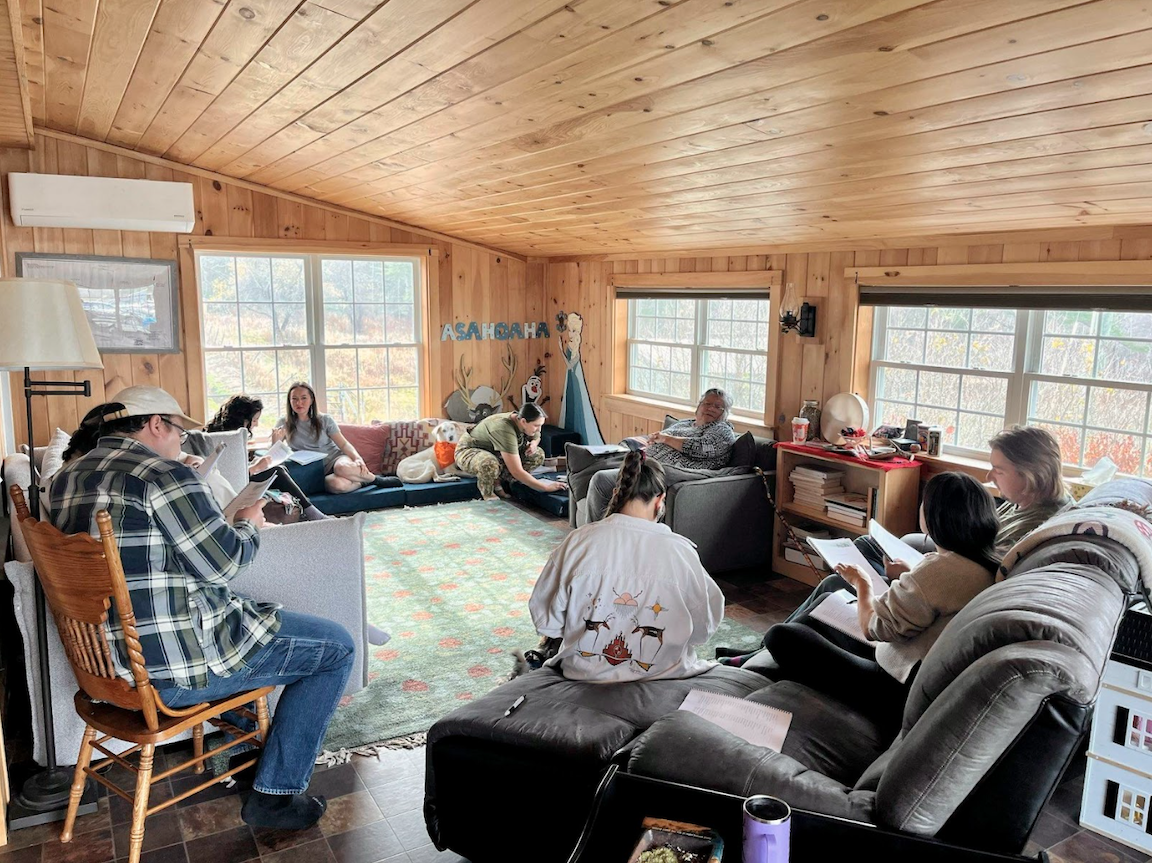
Photo Credit: Niweskok
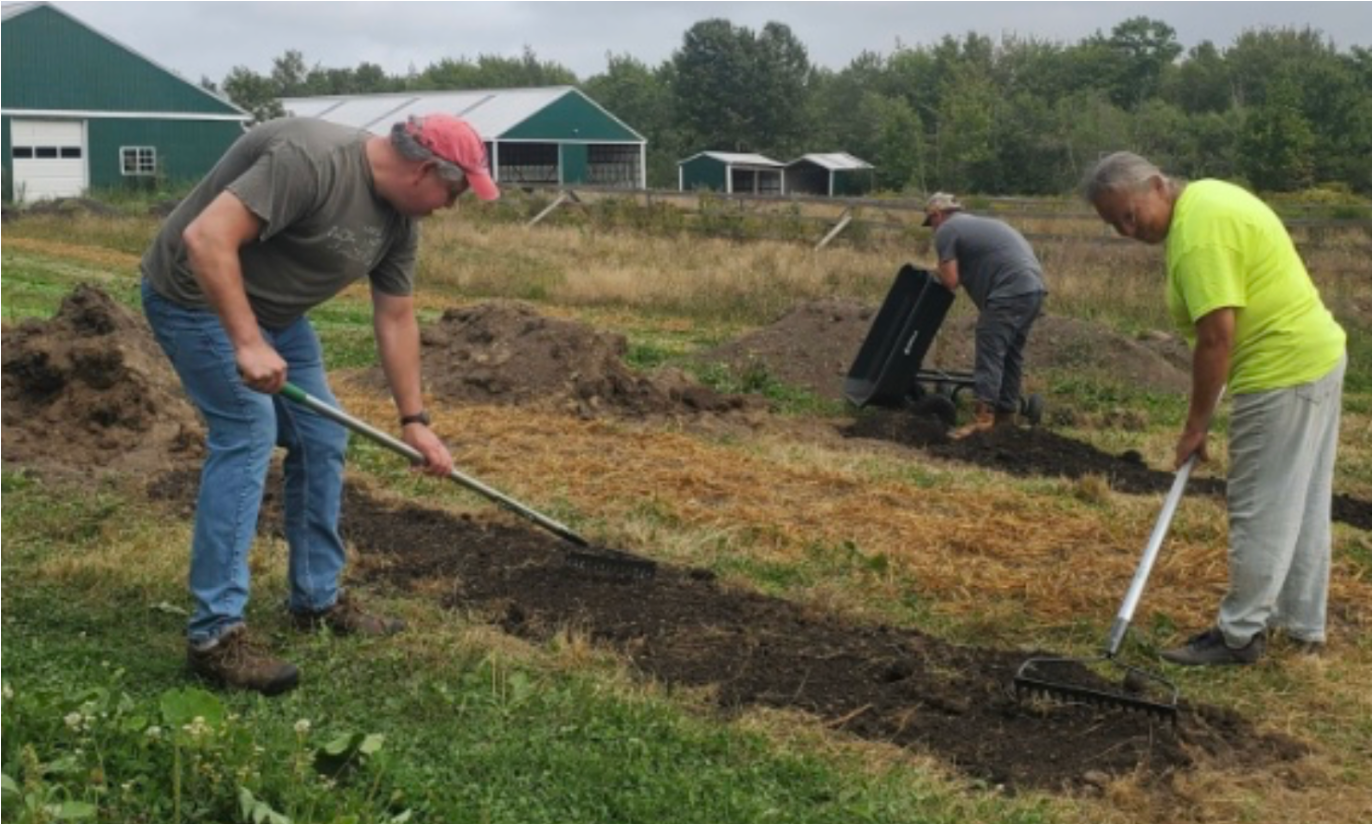
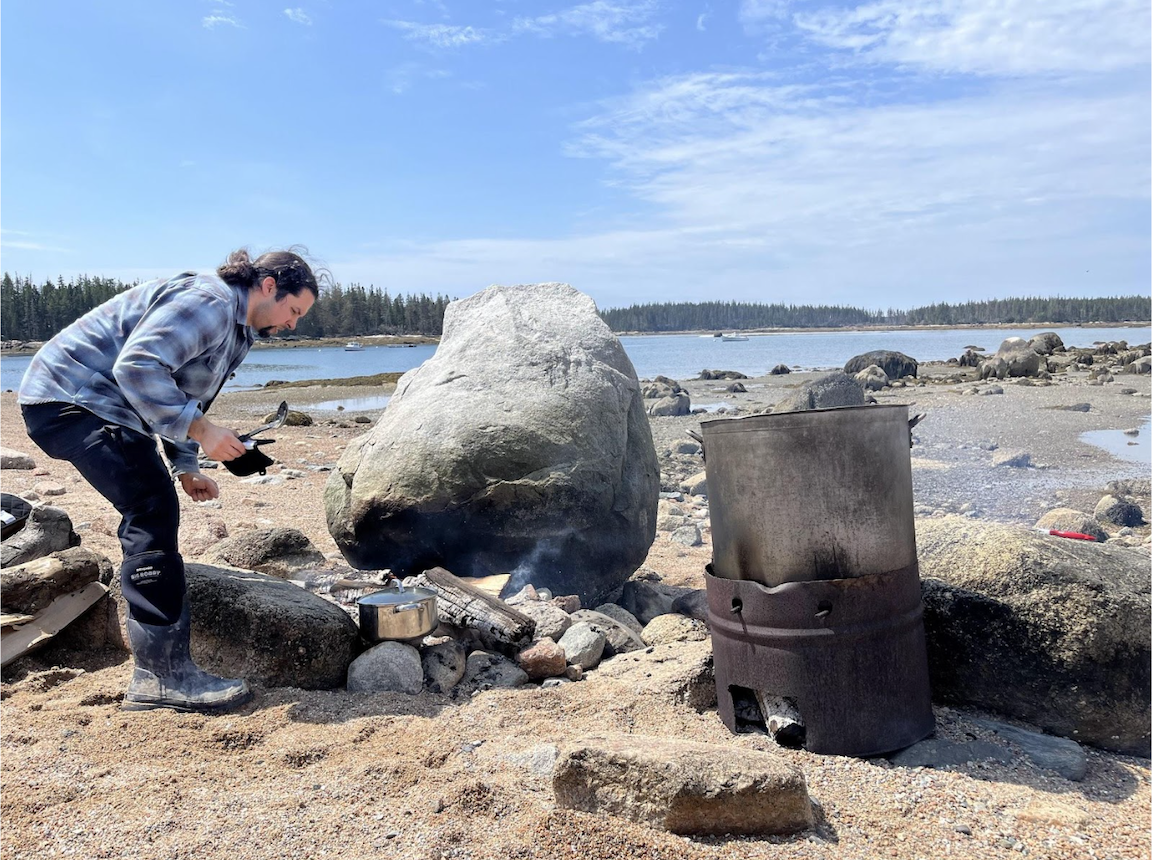
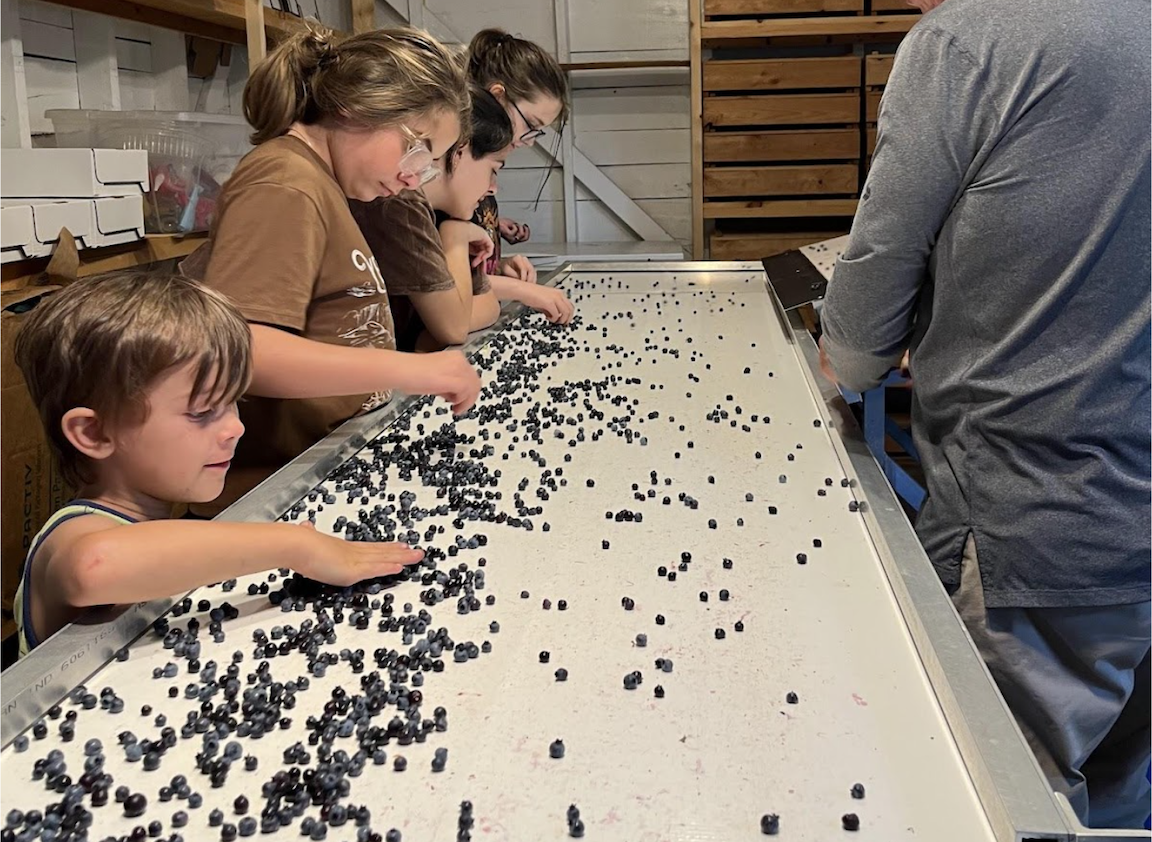
Short and long-term infrastructure priorities have begun: mapping and maintaining four miles of woodland trails, building an outdoor kitchen classroom, prioritizing the design of a bunkhouse and gathering hall, developing employee housing, planning the phases of a commercial kitchen and supportive agricultural infrastructure, and the list continues to build. Ongoing skillshares, workshops, work parties, respite for Wabanaki elders and artists, and community gatherings activate the farm year‑round. Nearby, we host blueberry gatherings, traditional clambakes, wild rice rematriation, and this year, a traditional birch bark canoe build. These multigenerational efforts allow a safe space for the Wabanaki community to gather, to be teachers and learners, and build a Wabanaki hub in the Penobscot Bay region for generations to come.
Reflections
My biggest takeaways from the landback journey: center the land, community, and ceremony ALWAYS; insist on land with no easements; build diverse and accountable partnerships, but be prepared to pivot A LOT.
With hard work, tenacity, and so much beautiful community support, we did what I thought would have been impossible if you asked me 5 years ago. I’m so grateful that we saw the importance of resting and dreaming together and that Tami dreamed that big dream! I sit here tonight writing this, while listening to the peepers (little loud frogs) at the farm pond out back, and know that in the morning, the wild turkeys and all the birds making their spring return will wake me up.
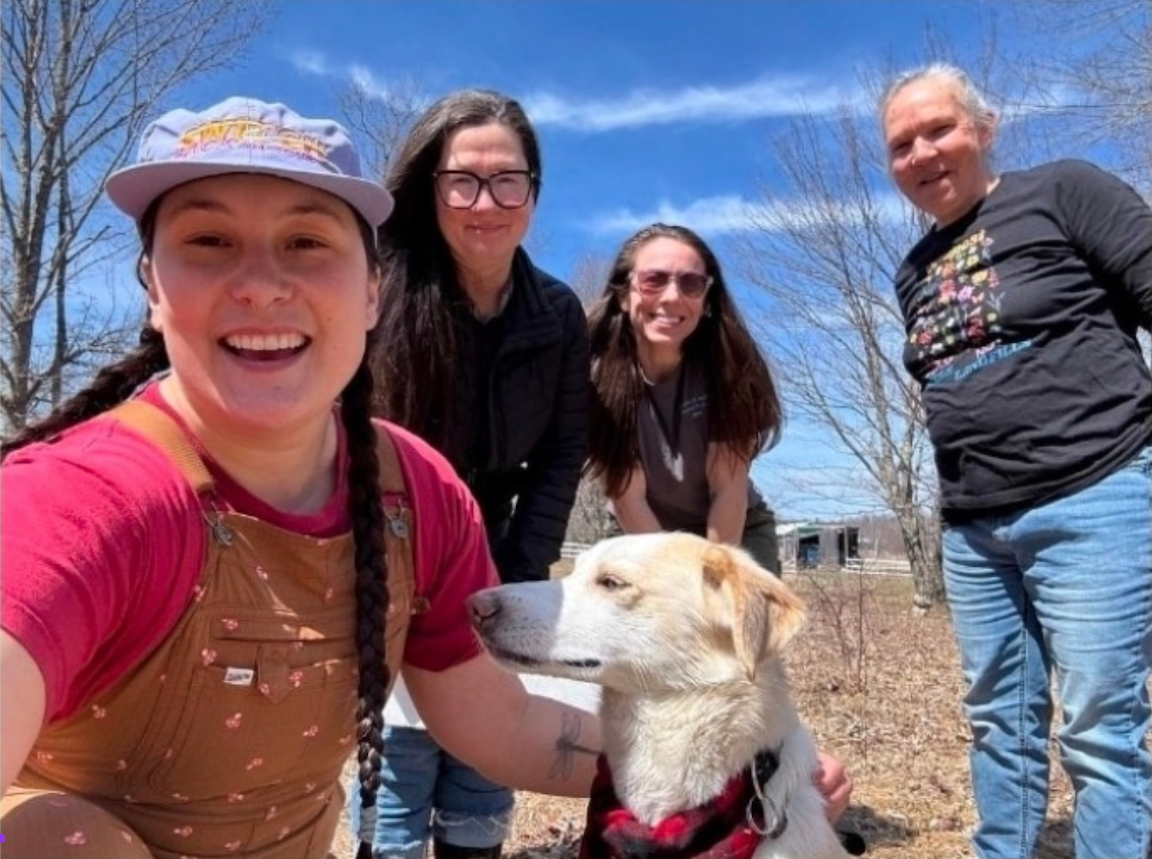
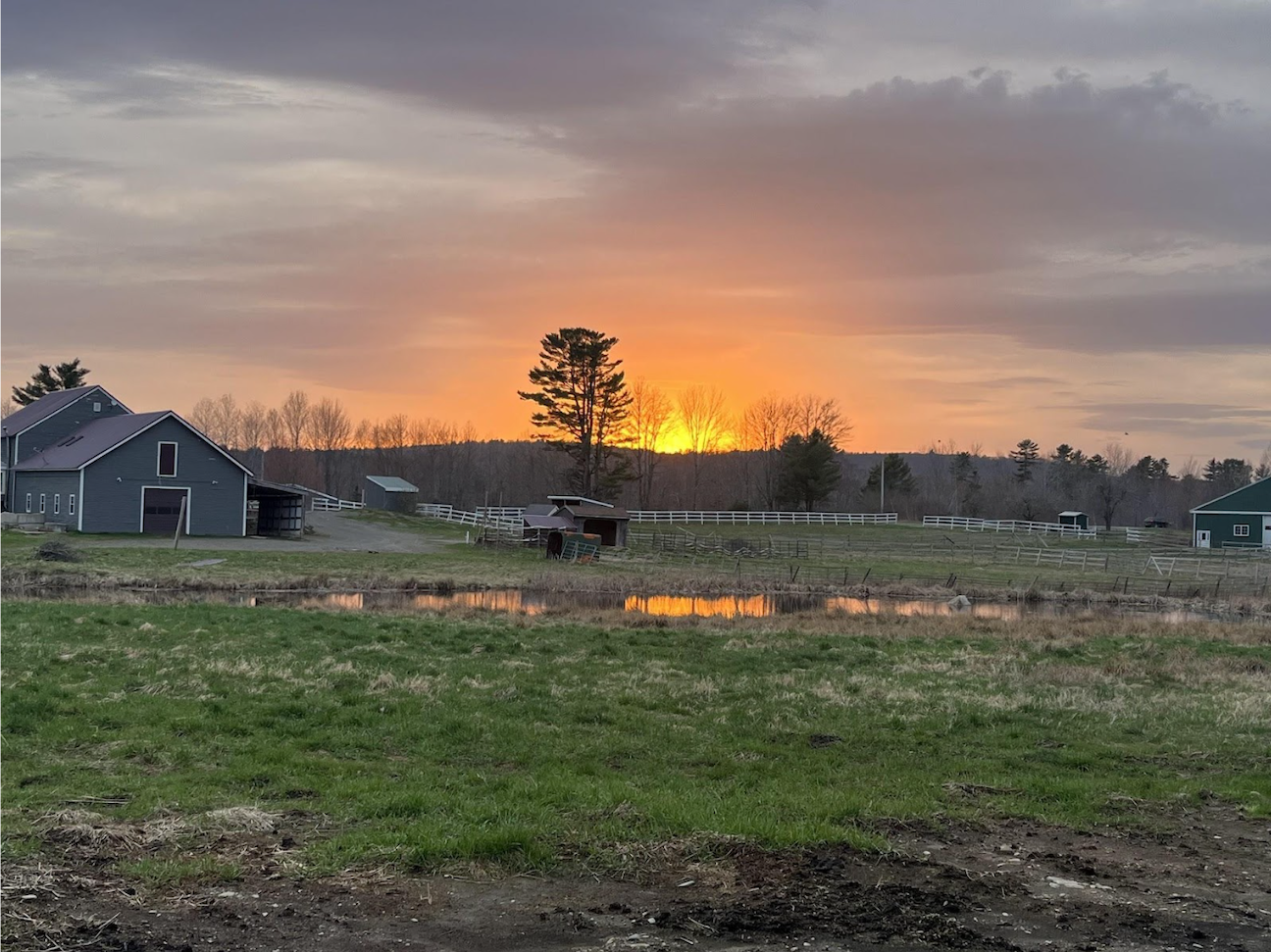
I wrote that we are now almost 1.5 years here, yet really, I know we are thousands of years into this journey. We were here before the land easements, the leases, and the titles. We are listening, watching, walking, and being in ceremony on the land, knowing that a name will come to us beyond “Niweskok’s Farm.” And we know that the land will be here for us after the easements, leases, and titles are gone. With my whole heart….Emsit Nogemag. ‘
Call to support: To support this work, donate at www.niweskok.org/donate or contact Alivia at alivia@niweskok.org for gifts, DAF/stock/planned giving, or to offer skilled trades and in‑kind help. Follow us on our socials: IG, FB, YouTube, LinkTree
Nicole Francis, Mi’kmaq, is a Co-Director of Niweskok. She develops land-based, culturally relevant curriculum and events, organizes Indigenous food sovereignty summits, and leads workshops on plant knowledge and identification. A food justice organizer, herbalist, and Nutritional Therapy Practitioner (NTP), she is dedicated to reclaiming traditional food and medicine ways and strengthening kinship connections. She was a recipient of the 2021 NDN Changemaker Fellowship.
Un regreso a casa: Niweskok rematría 245 acres en el Dawnland
Por Nicole Francis
Niweskok: From the Stars to Seeds (De las Estrellas a las Semillas) es una organización sin fines de lucro cuya misión es rematriar las formas de vida Wabanaki mediante el cumplimiento de nuestras responsabilidades de parentesco y la recuperación de los alimentos tradicionales y la sanación. Damos prioridad a la restauración de la región de la Bahía de Penobscot como un centro alimentario Wabanaki. En Penobscot, “Niweskok” se traduce como “semillas secas para sembrar”, así como “esencia de la vida” y “espíritu”. Somos responsables ante nuestras comunidades de la Confederación Wabanaki (Penobscot, Wolastoqiyik, Mi’kmaq, Passamaquoddy y Abenaki de Odinak y Wolinak), y ante todas nuestras relaciones. Nuestra programación se llevó a cabo en tierras prestadas, arrendadas y de uso público hasta diciembre de 2024, cuando asegurar nuestra propia base territorial lo cambió todo.
El gran sueño de Tami: cómo comenzó
Darnos tiempo para descansar y soñar en grande puede construir mundos. En la primavera de 2023, organizamos un encuentro comunitario de respiro, donde la anciana penobscot y ahora codirectora de Niweskok, Tami Connolly, respondió a la pregunta: “Si pudieras soñar en grande, ¿qué querrías?”. Todavía puedo verla sentada en los escalones después de un día de trabajo en la tierra. Respondió sin dudar: “¡Nuestra propia granja!”. Ese momento puso en marchaun proceso de casi dos años para encontrar y adquirir la granja de Niweskok. A los pocos días de la respuesta de Tami, nos pusimos en contacto con miembros de la comunidad y con organizaciones de conservación de tierras. Esto nos llevó a definir expectativas claras para una base territorial (extensión, condado, cercanía a comunidades tribales, acceso al agua, tierras cultivables y boscosas, infraestructura, ausencia de PFAS o conflictos con líneas eléctricas, etc.), e insistir en una condición no negociable: un título de propiedad sin restricciones ni servidumbres de conservación. Sabíamos que esas servidumbres podían sujetar la tierra a restricciones coloniales. Un título limpio preservaría nuestro derecho a decidir cómo relacionarnos con la tierra de acuerdo con nuestras necesidades culturales, reconociéndola como nuestra pariente y primera maestra. El propósito y la visión de Niweskok se centran en esa reciprocidad.
Fundación de Niweskok y creación del equipo de adquisición de tierras
Mientras iniciábamos estos primeros esfuerzos, también dejamos de ser un colectivo patrocinado fiscalmente y consolidamos nuestro trabajo bajo un nuevo nombre: Niweskok. Solicitamos nuestro estatus 501(c)(3) con el objetivo de crear una organización sin fines de lucro capaz de sostener legalmente la rematriación de tierras. Durante este tiempo formamos el equipo de adquisición de la granja, invitando a tres fideicomisos de tierras dirigidos por personas blancas, un consultor estratégico y prestamista nacional, y aliados comunitarios. El equipo completo se reunió semanalmente (con reuniones adicionales internas de Niweskok) durante más de un año para coordinar mapeo, revisión legal, estrategia de recaudación y logística de cierre. Cada reunión comenzaba con un registro personal y siempre se centraba nuevamente en la tierra.
Cuando surgieron tensiones con nuestros nuevos socios organizativos, Niweskok abordó los problemas directamente. Instamos a los fideicomisos de tierras a ser más transparentes con sus procesos internos y cómo estos afectaban nuestros objetivos. Dedicamos tiempo a conversar con sus juntas directivas, que albergaban temores sesgados ante la posibilidad de que el Pueblo Wabanaki asumiera el control de la tierra sin una servidumbre, y les dijimos con toda claridad que, cuando los Pueblos Indígenas custodian la tierra en sus propios territorios, esa es la mejor solución posible para la tierra y para todas las personas. Establecimos que la rematriación de la granja no debía ser un hecho aislado, sino un camino continuo para el LandBack a individuos, familias, organizaciones y naciones Wabanaki. Presionamos a estos aliados para que trabajaran en desmantelar políticas de servidumbre racistas y restrictivas que afectan la capacidad de los Pueblos Indígenas para vivir y transitar libremente en tierras devueltas.
Cambio en la estrategia de recaudación
Mientras buscábamos propiedad, Niweskok completó trabajo interno crucial: reuniones con iniciativas agrícolas lideradas por personas Indígenas, inmigrantes y negras; identificación de socios financieros; obtención del estatus legal; trabajo con un abogado pro bono, entre otras tareas. Finalmente, en mayo de 2024, encontramos una propiedad que cumplía casi todos nuestros sueños. Era el momento de movilizar una campaña de capital. Sin embargo, los compromisos de financiamiento de nuestros socios comenzaron a desmoronarse.
El tiempo era crítico. Podía aparecer otra oferta en cualquier momento, así que las codirectoras decidimos cambiar de rumbo. Asumimos el papel de recaudadoras de fondos, algo nuevo para nosotras en una escala así. Con asesoría, encabezamos la campaña, y construimos una estrategia basada en nuestra historia y responsabilidades con la tierra y la comunidad. En pocas semanas presentamos nuestra primera solicitud… ¡y recibimos nuestro primer “sí”!. En poco más de cuatro meses, recaudamos casi 2 millones de dólares, lo que nos permitió adquirir completamente la granja costera de 245 acres en territorio Penobscot en diciembre de 2024, con título limpio.
Ceremonia, retorno y responsabilidad de parentesco
La ceremonia y la construcción de una relación con la tierra en la región costera central guiaron y dieron forma a nuestras acciones, afirmándonos en nuestras responsabilidades de parentesco. En agosto de 2024, realizamos un viaje ceremonial en canoa desde Indian Island, por el río Penobscot hasta la bahía, finalizando en Sears Island, a menos de 16 km de nuestra granja. La historia colonial había interrumpido estos recorridos y relaciones. Como escribió Alivia Moore: “Al remar esta ruta ancestral, recordamos que somos gente del río y también del océano”. Cuando el anciano Eugene “Chip” Loring vio la canoa acercarse, dijo: “Este regreso es sanación para la gente, la tierra y las aguas”. La base territorial costera de Niweskok es, de verdad, un hogar de bienvenida para el retorno del Pueblo Penobscot a la región de la bahía de Penobscot y subraya la responsabilidad Wabanaki no sólo con la tierra aquí, en la granja, sino también con este lugar como un centro de restauración ecológica para el área circundante.
Ahora en la tierra: avances y siguientes pasos
Llevamos casi un año y medio viviendo en la granja, observando cómo estos 245 acres descansan y sanan tras siglos de explotación. Incluso en un día con niebla, desde la puerta principal de la casa de la granja pueden verse el río Goose y el estanque Smith, ya que contamos con frente tanto al río como al estanque. Esto no sólo nos da acceso al río, sino que también resguarda un hábitat de humedales y completa un corredor de vida silvestre que, de otro modo, podría haberse visto interrumpido por un desarrollo creciente. El equipo de senderos Wabanaki Youth in Sciences vino y permaneció un tiempo en la casa de la granja, que ahora funciona como nuestro centro comunitario; construyó un hermoso sendero para acceder al estanque Smith y ayudó a levantar nuestro túnel alto en nuestro primer campo agrícola. Sikʷani Dana, codirectora y responsable de currículo, coordina los encuentros de inmersión lingüística en penobscot de varios días de Niweskok, algo que la comunidad expresó que quería ver realizado. La programación de Alihpəwάkanal está en su segundo año albergando la cohorte Soil Builders; los proyectos del Programa de Restauración Ecológica ya están en marcha, con un jardín de bienvenida en sus primeras fases, la restauración del bosque de alimentos y medicinas, y la restauración de los cursos de agua para recuperar la biodiversidad a lo largo del río Goose y atender el proceso de retiro de la represa.d.
Las prioridades de infraestructura, tanto de corto como de largo plazo, ya han comenzado: mapear y mantener cuatro millas de senderos boscosos, construir una cocina-aula al aire libre, dar prioridad al diseño de un dormitorio colectivo y un salón de reuniones, desarrollar vivienda para el personal, planificar las distintas fases de una cocina comercial y de la infraestructura agrícola de apoyo, y la lista sigue creciendo. A lo largo de todo el año, el intercambio de saberes, los talleres, las jornadas de trabajo comunitario, los espacios de descanso para ancianas, ancianos y artistas Wabanaki, así como las reuniones comunitarias, mantienen viva la granja. En los alrededores organizamos encuentros de cosecha de arándano, mariscadas tradicionales, rematriación del arroz silvestre y, este año, la construcción de una canoa tradicional de corteza de abedul. Estos esfuerzos intergeneracionales permiten un espacio seguro para que la comunidad Wabanaki se reúna, sea maestra y aprendiz, y construya un centro Wabanaki en la región de la bahía de Penobscot para las generaciones por venir.
Reflexiones
Mis principales aprendizajes en este proceso de LandBack son estos: poner SIEMPRE en el centro a la tierra, a la comunidad y a la ceremonia; insistir en tierras libres de servidumbres; construir alianzas diversas y responsables, pero estar preparadas para cambiar de rumbo muchas veces.
Con trabajo arduo, tenacidad y un apoyo comunitario inmenso y generoso, logramos algo que, si me lo hubieran preguntado hace cinco años, habría creído imposible. Me siento profundamente agradecida de que hayamos comprendido la importancia de descansar y soñar juntas, y de que Tami se atreviera a soñar tan en grande. Escribo esto mientras escucho a las peepers —ranitas pequeñas y escandalosas— en el estanque detrás de la granja, y sé que por la mañana me despertarán los pavos silvestres y todas las aves que regresan con la primavera.
Escribí que ahora llevamos aquí casi un año y medio, pero en realidad sé que llevamos miles de años en este camino. Estábamos aquí antes de las servidumbres sobre la tierra, de los arrendamientos y de los títulos de propiedad. Escuchamos, observamos, caminamos y estamos en ceremonia sobre esta tierra, sabiendo que más allá de “la granja de Niweskok” llegará a nosotras un nombre. Y sabemos que la tierra seguirá aquí para nosotras después de que desaparezcan las servidumbres, los arrendamientos y los títulos.. Con todo mi corazón… Emsit Nogemag.
Llamado a apoyar
Para apoyar este trabajo, puede hacer una donación en www.niweskok.org/donate o comunicarse con Alivia en alivia@niweskok.org para aportaciones, donaciones a través de DAF/acciones/donaciones planificadas, o para ofrecer oficios especializados y apoyo en especie. Síganos en nuestras redes sociales: IG, FB, YouTube, LinkTree.
Nicole Francis, Mi’kmaq, es codirectora de Niweskok. Desarrolla currículo y eventos culturalmente pertinentes y basados en la tierra, organiza encuentros sobre soberanía alimentaria Indígena y coordina talleres sobre conocimiento e identificación de plantas. Como organizadora por la justicia alimentaria, herbolaria y practicante de Terapia Nutricional (NTP), está dedicada a recuperar las formas tradicionales de alimentación y medicina, y a fortalecer los vínculos de parentesco. Fue beneficiaria de la NDN Changemaker Fellowship en 2021.